
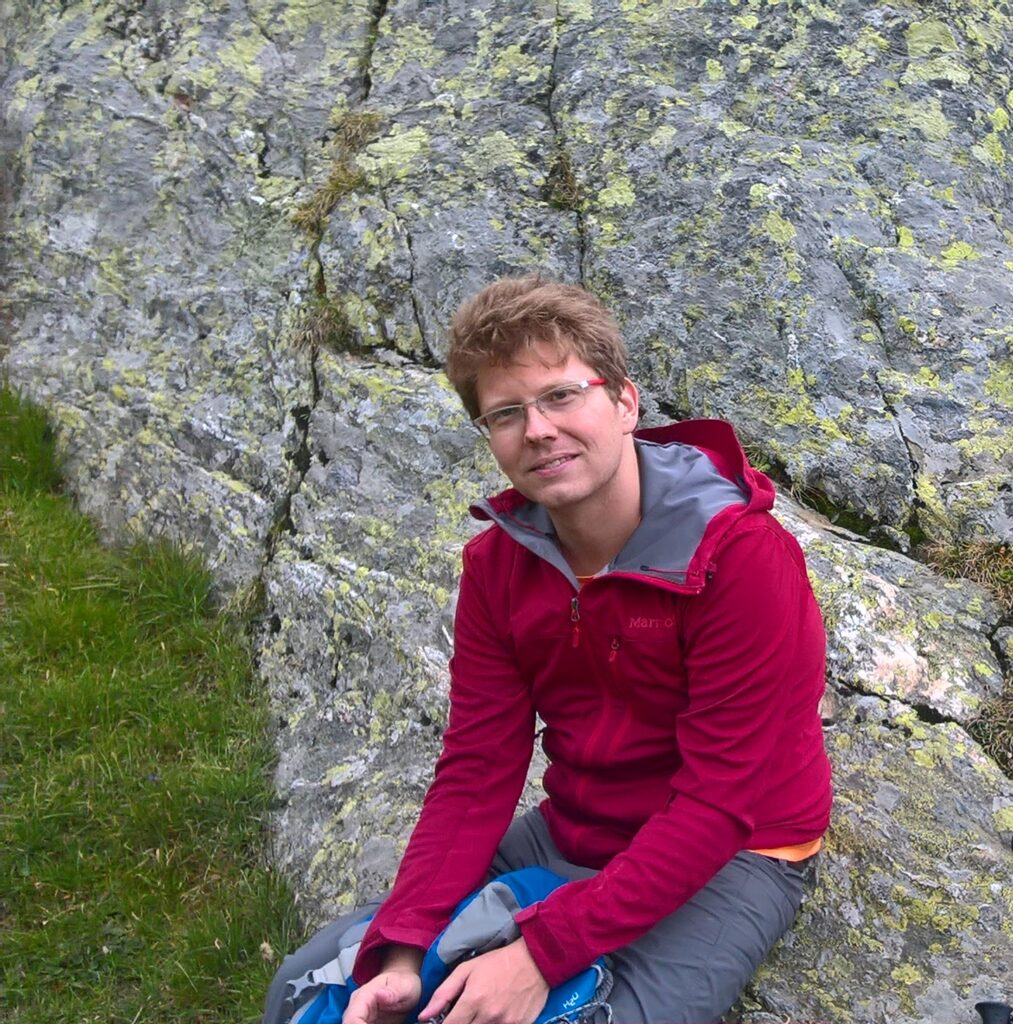
Meet FRONTIErS supervisors – Luca Flessati
Continuing our series of interviews with the supervising team of the FRONTIErS – Doctoral Network, we spoke with Luca Flessati, Assistant Professor in Geotechnical Field Testing and Monitoring at TUDelft.

Continuing our series of interviews with the supervising team of the FRONTIErS – Doctoral Network, we spoke with Luca Flessati, Assistant Professor in Geotechnical Field Testing and Monitoring at TUDelft.
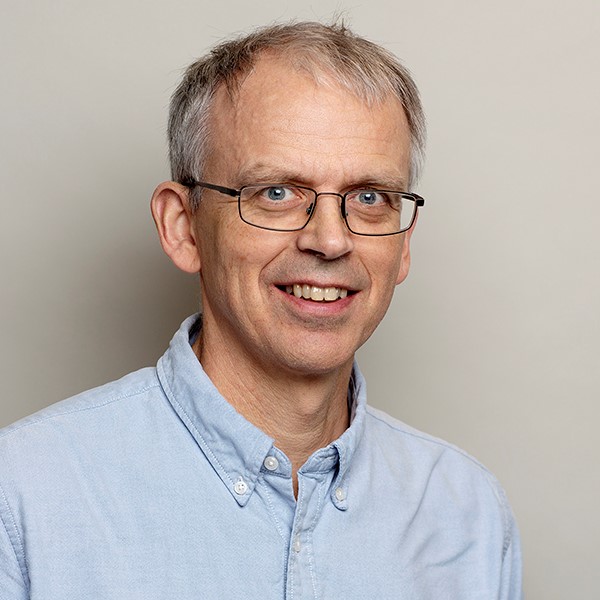
Continuing our series of interviews with the supervising team of the FRONTIErS – Doctoral Network, we spoke with Gudmund Eiksund, a Professor in geotechnical engineering at NTNU.
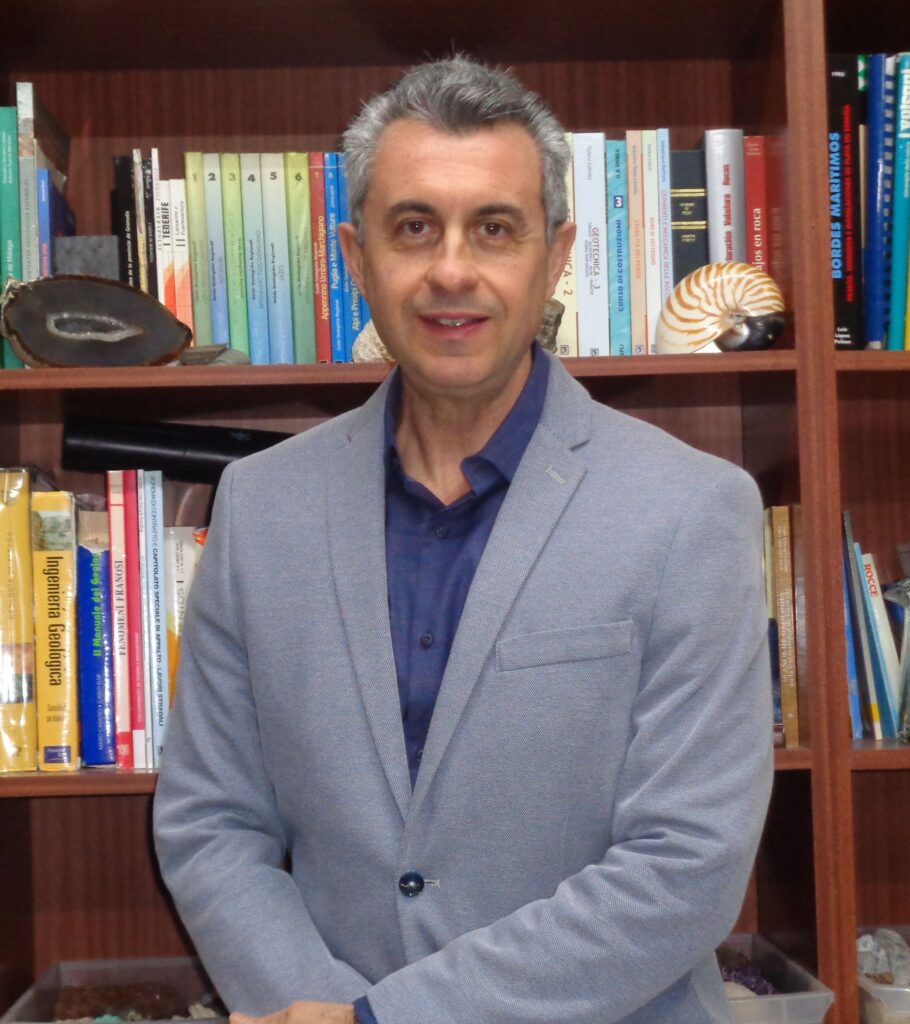
MEET OUR SUPERVISORS In our most recent interview, we sat down with Iván D’Angiuro, the Technical Director of Geology and Geotechnics at Esteyco. He provided valuable insights into the key advantages of engaging in an MSCA doctoral network. Ivan underscored the significance of integrating academic institutions, research entities, and industrial SMEs, highlighting how this synergy fosters innovation. Can you please provide some insight into your educational and professional background? I graduated in Geological Sciences in 1997 at the University of Milan, with a thesis in petrography. In 1998, I started my career as a geologist, first in Italy in a material testing laboratory and since 2000, I’ve been working in Spain in geotechnical engineering. From 2004 to 2008, I combined my professional commitments with postgraduate studies, obtaining a Master’s degree in Engineering Geology and the Certificate – Diploma in Advanced Studies on Civil Engineering from the University of Granada. Since the end of 2006, I have worked as an Engineering Geologist at Esteyco in the geotechnical design and assistance on site of several national and international projects. My main areas of expertise include soft soils treatment, stress-strain analysis using FEM, geotechnical design of port facilities and rock mechanics. For the last ten years, I have been involved in the geotechnical design of both on-shore and off-shore wind turbine foundations and in the development of new technologies in gravity and floating structures. I currently hold the position of Technical Director of Geology and Geotechnics at Esteyco. How or why did you join the FRONTIErS network? Due to our commitment to innovation, we are always in collaboration with universities, research institutions and centres for knowledge dissemination. In this scenario, we have a close relationship with the UPC, Polytechnic University of Barcelona, who invited us to this new but interesting type of program. Have you had any prior experience with the MSCA Programme? It’s the first time for me to participate in this Program. I know the MSCA fosters excellence and promotes high-quality education and training, thus I feel very honoured to be involved. The possibility of tackling an industrial research process with the expertise and diligence typical of the academic ambient represents, for me, a challenge and a great chance for professional development and personal growth. From your perspective, what are the primary benefits of participating in an MSCA doctoral network? From my perspective, the partnership of universities, research institutions and industrial SMEs embodies the perfect combination of competencies for innovation research. Each member of the team has a unique set of skills that can contribute to the success of the program. From Esteyco, we have always aimed to be at the forefront of innovation and competitiveness in the infrastructure and energy sectors, hence our participation in an MSCA doctoral network represents a real opportunity to work with excellent researchers like Kazem and collaborate with high-level professionals from the EU. Looking ahead, how do you envision the evolution of the FRONTIErS network by the conclusion of the programme? Our experience in the FRONTIErS project has just started. Due to some challenges in the bureaucracy of the VISA process, our DC has recently joined our company. Our objective with the FRONTIErS project is to productively convey our experience in the industrial sector to our DC to advance in an essential but sometimes neglected part of the wind energy field as the scour protection activities.
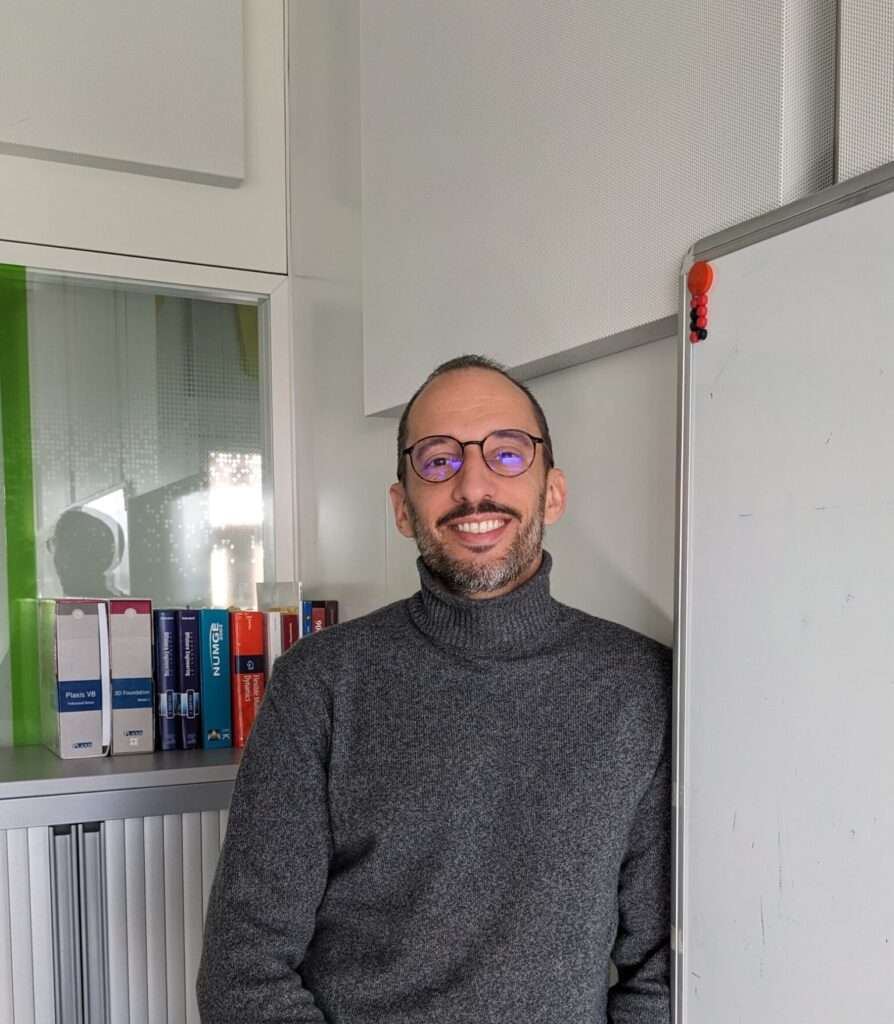
MEET OUR SUPERVISORS Introducing Thomas Miras, who, following the completion of his PhD at ONERA and a postdoctoral position at NACAD, joined one of the EDF R&D centres in Paris. He is a part of the Wind Turbine, Engine and Alternator team, working on a wide range of subjects from blade models, tower design, floating wind turbines, and uncertainty quantification of soil parameters. FRONTIErS marks Thomas’s first MSCA experience, and he views the program as an essential resource for overcoming challenges within the offshore wind sector. Can you please provide some insight into your educational and professional background? I did my PhD in the Aeroelasticity and Structural Dynamics department of the French Aerospace Research Center (ONERA) where I worked on model reduction and fluid-structure interaction problems. I then joined the High Performance Computing Center (NACAD) in Rio de Janeiro for a postdoctoral position where I could contribute to projects on wave-ship interactions and Uncertainty Quantification in seismic imaging. After I went back to France I joined Safran Landing Systems as a mechanical engineer and in the Performance and Dynamics team that offers an expertise on landing gear stability and dimensioning for its clients. I finally joined one of the EDF R&D centers in Paris last year. I am part of the Wind Turbine, Engine and Alternator team, working on a wide range of subjects from blade models, tower design, floating wind turbines, and uncertainty quantification of soil parameters. How or why did you join the FRONTIErS network? It is essantial for EDF to develop and maintain a network that allows us to stay at the state-of-the-art of this topic in order to control the financial risks and better optimize our products. From your perspective, what are the primary benefits of participating in an MSCA doctoral network? Participating in an MSCA doctoral network allows us to identify and undo technological locks and work on complex problems with a long-term vision. Looking ahead, how do you envision the evolution of the FRONTIErS network by the conclusion of the programme? Considering the rapid growth of the offshore wind sector and the change in technologies for wind turbines, the FRONTIErS network will still be essential for us to deal with those challenges. We do hope to find a way to keep working with the partners and contributors to respond to this demand.
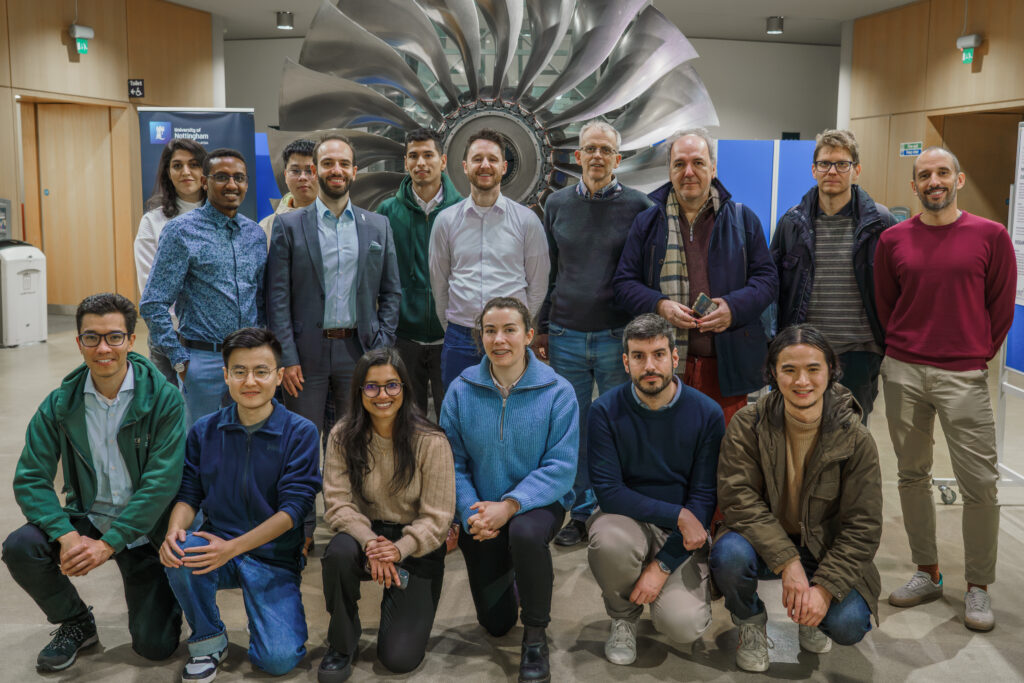
On January 22-24, a PhD Induction and Training Event was held at University of Nottingham in the UK for the FRONTIErS Consortium.
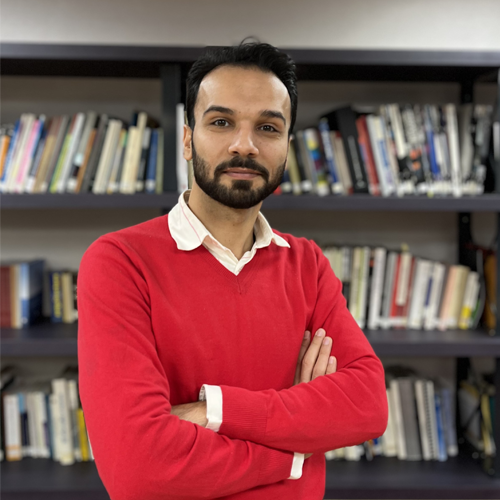
Kazem shares insights into his experiences within the FRONTIErS project. In this interview, we’ll explore Kazem’s motivations for joining FRONTIErS, the driving force behind his research, and the collaborative efforts shaping the success of this innovative program. Join us for a captivating glimpse into the world of cutting-edge research and the vision for a greener, sustainable future.