Secondment Spotlight: Bridging Theory and Practice at the University of Nottingham
After two three-month secondments at TU Delft, Sinéad is back in Oslo with a lot to show for it. This wasn’t just a standard research trip; it was a deep dive into the technical side of offshore engineering—specifically her work on quantifying uncertainty in design. From tackling tough coursework to presenting her research to industry experts, she really made the most of the Dutch academic scene. Here’s her take on everything from the intense Python sessions to the unique “paranymph” traditions she saw at local PhD defenses.
Returning to Oslo after completing two three-month secondments at TU Delft has given me a great opportunity to reflect on an incredibly rewarding period, both academically and personally.
I began my secondment on 1 September, diving straight into coursework as part of the doctoral programme requirements. The first was CIEM2301 – Offshore Geotechnical Engineering, delivered by my supervisor Ken Gavin, alongside postdoctoral researchers Kevin Duffy and Ozan Alver. The course provided a comprehensive overview of offshore engineering design—where it stands today and how it has evolved through adaptations of traditional design methods and more recent advances such as the PISA Project.
Having spent the past two years reading many of the key papers, it was particularly valuable to revisit this material in a structured learning environment. The course reinforced key methodologies, highlighted limitations, and emphasised the ongoing need for research in several areas. One of the most enjoyable aspects was working alongside fellow FRONTIErS Doctoral Network researchers (Sara, Dayu and Xiuzhe) and other PhD and master’s students. The interactive problem-solving classes sparked insightful debates, including discussing pile design approaches under different ground conditions and how best to sequence a site investigation. The diversity of backgrounds in the room made these conversations especially engaging.
Alongside this, I completed two graduate school courses. The first, “Statistics for PhD Researchers,” consisted of six intensive lectures and accompanying assignments. Given that my research focuses on quantifying uncertainty in design and installation, I felt that strengthening my statistical foundation was essential. The course challenged me to broaden my understanding of commonly used methodologies and exposed me to approaches used across different engineering disciplines. It also provided an opportunity to further develop my skills in R (programming language), which I use regularly in my research.
The second course, “Data Visualisation using Python,” focused on leveraging different Python libraries to effectively present and interpret data. Through practical exercises and assignments, we were encouraged to think critically about how data should be communicated—not just analysed. Similar to the statistics course, it also fostered interdisciplinary exchange, bringing together PhD candidates from across various engineering faculties.
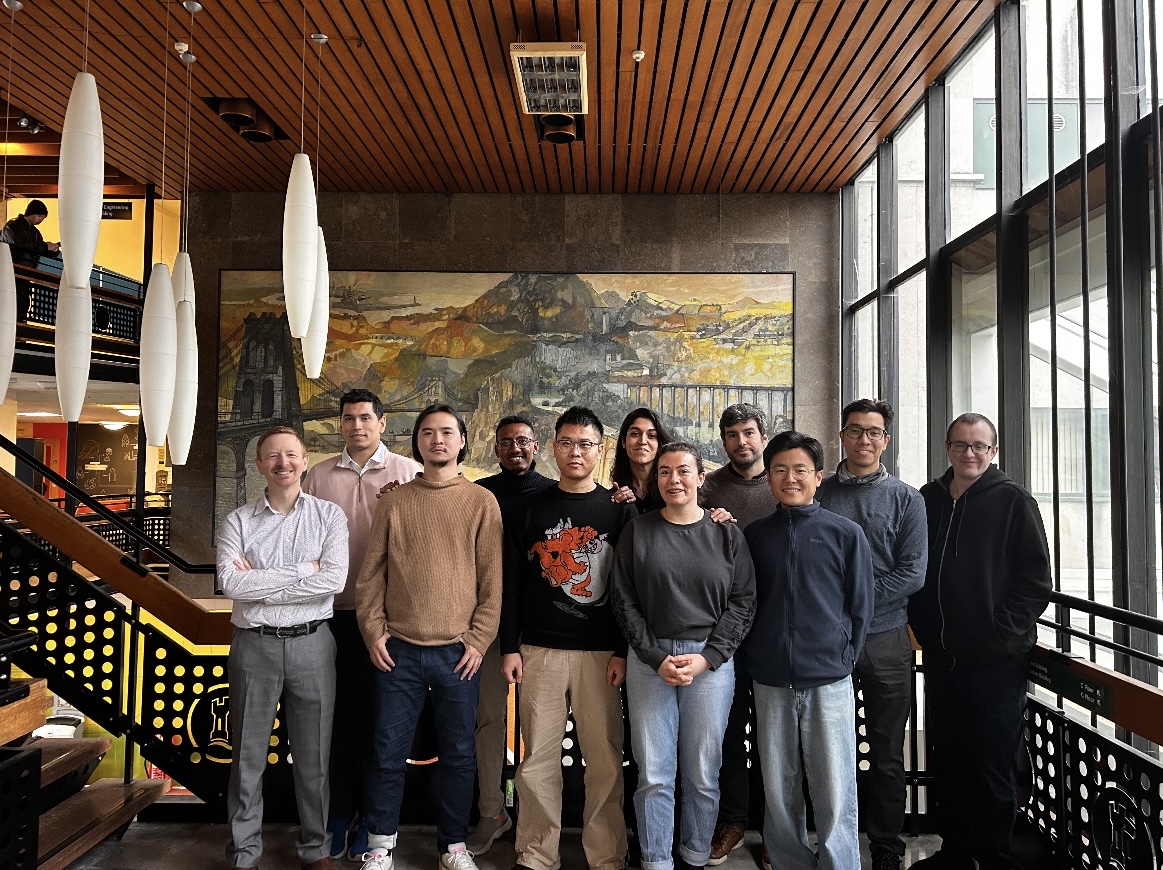
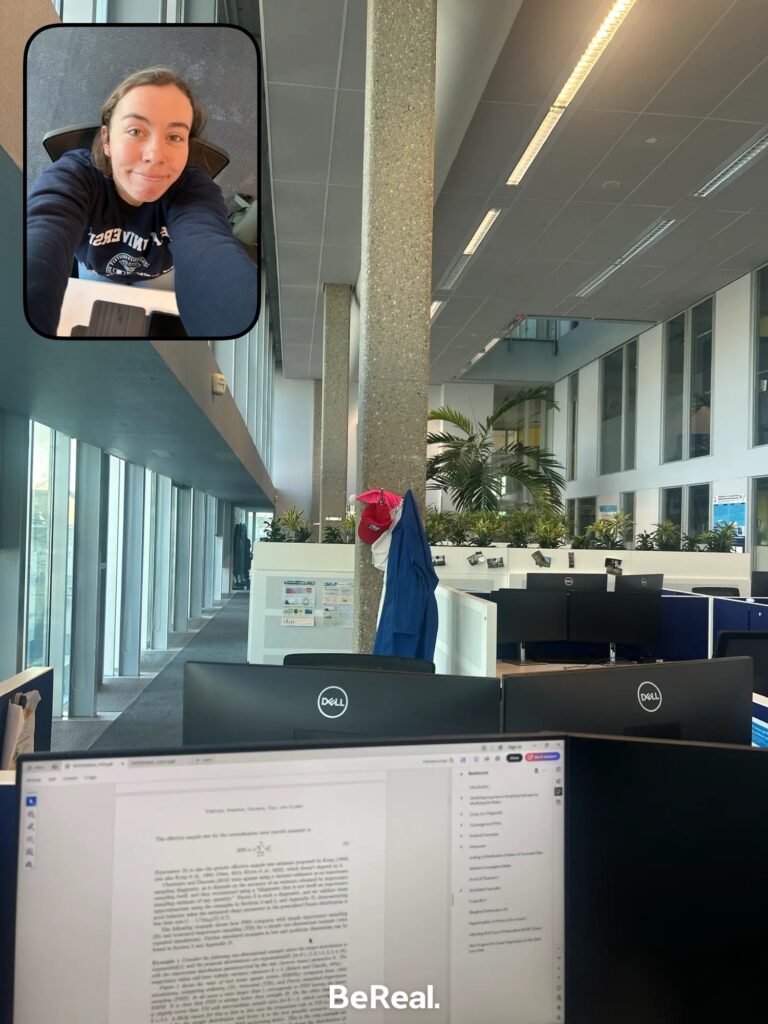
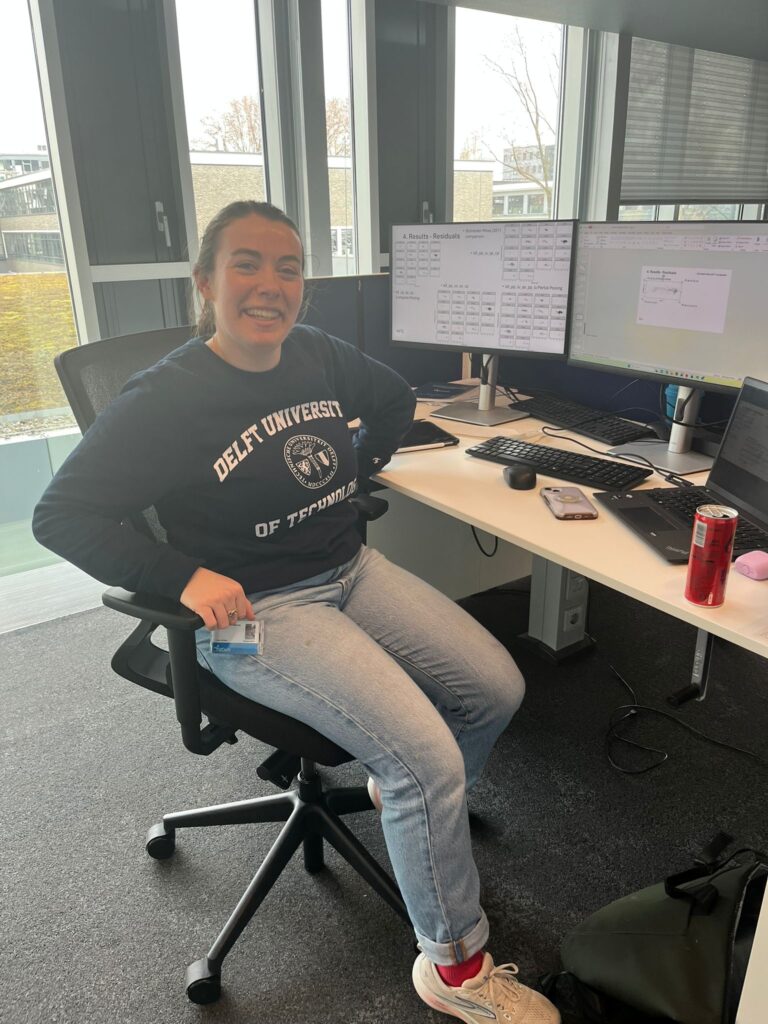
Outside of formal teaching, I was based in the PhD office within the Civil Engineering and Geosciences faculty. This environment was one of the highlights of my time in Delft. I worked alongside researchers in areas such as offshore geotechnical engineering, embankment engineering, and carbon capture and storage. Here PhD colleagues were from all across Europe and further afield, including China, Iran, Brazil, and Colombia. These interactions led to fascinating conversations about research, career paths, and shared challenges within PhD life. It also opened the door to potential interdisciplinary collaborations—something I hope to explore further in the future.
During my stay, I attended the offshore geotechnics group meetings and had the opportunity to present a Geotalk on my research to date. These sessions were invaluable for gaining feedback, refining ideas, and identifying new directions for investigation, as well as a great opportunity to meet industry experts such as DEME.
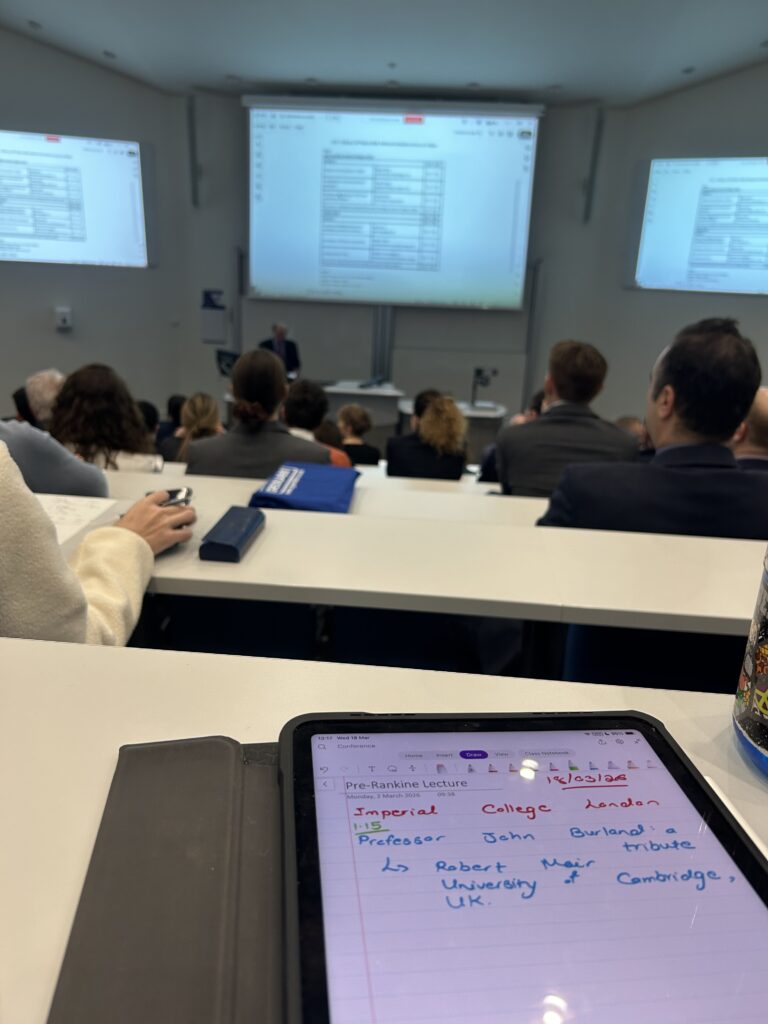
I also made two trips to the UK during the secondment. The first involved travelling by Eurostar to London, enroute to Nottingham for FRONTIErS training (early February). Coming from Ireland, the ability to take a train between countries still feels novel. The second trip was to attend the Pre-Rankine lectures at Imperial College London and the 64th Rankine Lecture at the Royal Geological Society in London. These events provided further opportunities to connect with professionals and researchers in geotechnical engineering. One particularly memorable moment came on my return flight to Amsterdam, when we passed close over an offshore wind farm in the North Sea—very fitting given the focus of my research.
Another highlight was attending a PhD defense at TU Delft. Unlike in Ireland, these defenses are public and highly structured. The candidate begins with a short, accessible presentation before engaging in a formal discussion with internal and external examiners. A unique tradition is the presence of two “paranymphs” (often referred to informally as “bridesmaids”), who support the candidate during the defence. The inclusion of thesis statements—some technical, others more reflective—added an interesting dimension to the discussion. It was an inspiring experience and offered a glimpse of what I hope to undertake myself in the future.
Beyond academia, I made an effort to maintain balance during my time in Delft. I joined the campus gym and attended regular classes, which provided a welcome break from desk work. I also took part in the weekly Delfse Hout parkrun—a great way to meet both locals and fellow students. The phrase “mens sana in corpore sano” (a healthy mind in a healthy body) felt particularly relevant.
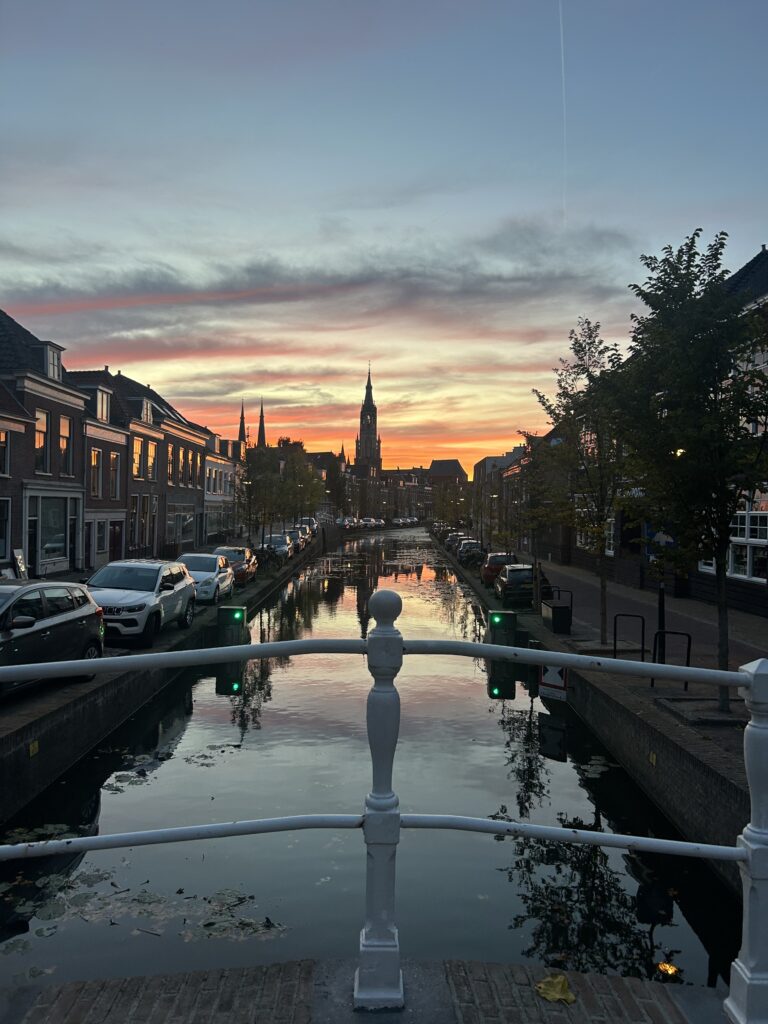
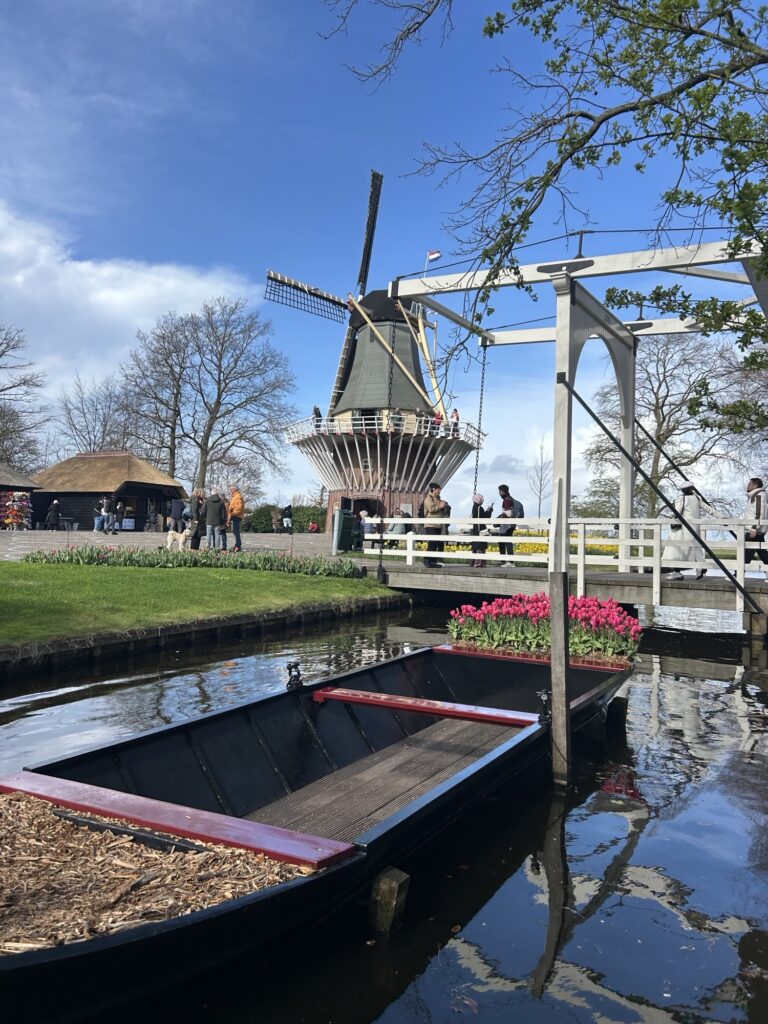
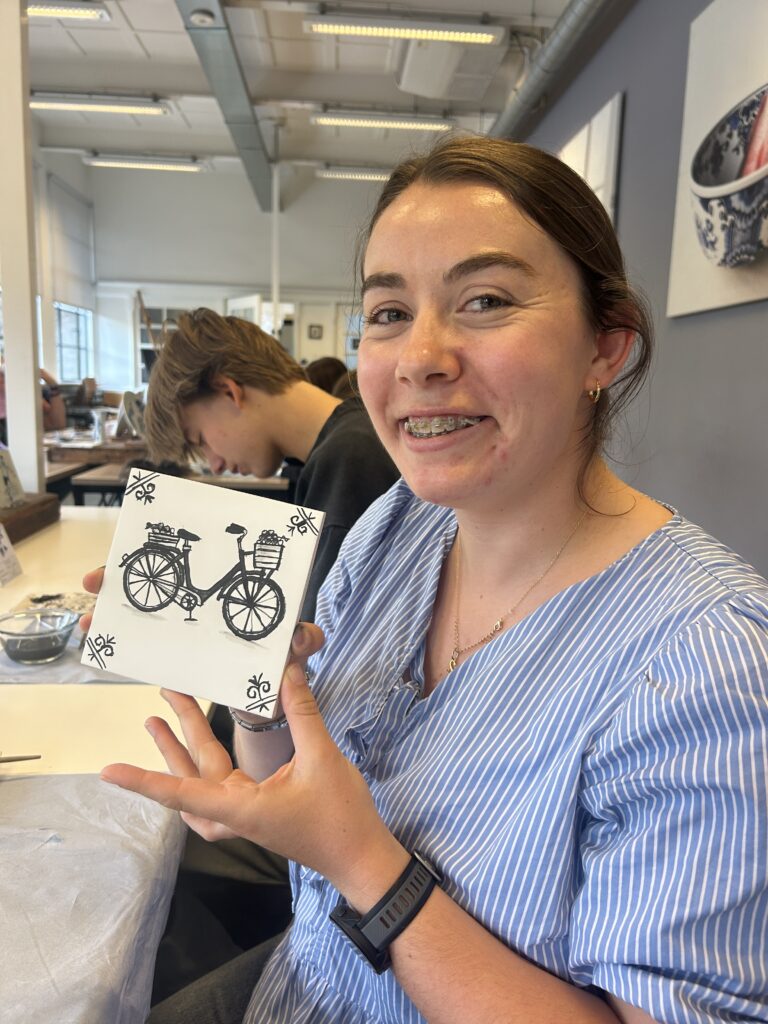
To celebrate my birthday, I visited Royal Delft, where I created my own ceramic tile—a unique and memorable experience. Weekends were spent exploring the Netherlands, including visits to Amsterdam, The Hague, Leiden, Rotterdam, Eindhoven, and Keukenhof. These experiences enriched my secondment and made it all the more memorable.
Overall, this secondment in Delft has been incredibly valuable. I am very grateful to FRONTIErS and NGI for supporting this opportunity, and I look forward to returning to TU Delft in June for our final Summer School.